
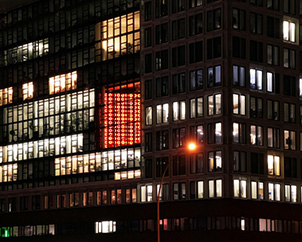
Buildings of the future are already being developed in cities around the world by integrating smart technologies that promise to transform how the built environment is powered, managed and maintained.
As efforts intensify to reduce carbon emissions, the fusion of electrification, digitalisation and decarbonisation is reshaping the way buildings are designed and operated.
The building sector accounts for a large share of global energy consumption and greenhouse gas emissions, largely due to heating, cooling, lighting and power demands. In response, developers and facility managers are increasingly turning to intelligent systems that can monitor and optimise energy use in real time, making buildings more efficient and sustainable
Central to this shift is the electrification of building systems. Traditional reliance on fossil fuel for heating, such as gas boilers, is gradually being replaced with electric alternatives. When paired with renewable electricity sources, these systems can dramatically reduce operational emissions.
But electrification alone is not enough. To fully take advantage of efficiency gains, buildings are becoming increasingly digitalised. Sensors, smart meters and internet connected devices are being embedded throughout building infrastructure to gather data on everything from occupancy patterns to temperature fluctuations and equipment performance.
These systems feed into advanced building management platforms that allow operators to oversee multiple functions such as lighting, heating, and ventilation from a central dashboard. Artificial intelligence and data analytics can then automatically adjust settings to reduce energy waste while maintaining comfort for occupants.
Lighting systems offer a good example of how digitalisation is improving efficiency. Networked LED lighting can detect when rooms are unoccupied and dim or switch off automatically. Similarly, smart climate control systems adjust heating and cooling based on occupancy levels, outdoor temperatures and predicted usage patterns.
Another emerging feature of smart buildings is predictive maintenance. By detecting subtle changes in system performance, digital systems can identify potential faults before they occur, allowing maintenance teams to take action early and avoid costly breakdowns.
Digital twin technology is also gaining interest. These virtual replicas of physical buildings allow operators to simulate energy performance, test efficiency upgrades and analyse long-term operational strategies without disrupting real-world operations.
For building owners and investors, the business case is increasingly compelling. Smart technologies can lower operating costs through reduced energy consumption and maintenance expenses, while also helping organisations meet stricter environmental regulations and sustainability commitments.
At the same time, smart buildings are beginning to play a more active role in the broader energy system. Through demand response programs, buildings can automatically reduce or shift electricity use during peak demand periods, helping to stabilise the power grid as renewable energy generation grows.
Experts say the next generation of buildings will function less like static structures and more like dynamic, responsive systems. By combining electrified infrastructure with digital monitoring and automated optimisation, buildings can continuously adjust their performance to minimise energy use and carbon emissions.
As urban populations expand and climate targets become more urgent, the integration of smart technology into the built environment is expected to accelerate. The buildings of the future, already emerging today, will not only house people and businesses but also actively contribute to a more efficient, resilient and low-carbon energy future.
This shift towards intelligent, low-carbon buildings is creating new opportunities for innovation across the energy and infrastructure sectors. Electric Horse™ part of The Pickstock Group is well poised in helping to accelerate the transition with its integrated electrification and digitalisation solutions that align with the needs of smarter, more responsive buildings.